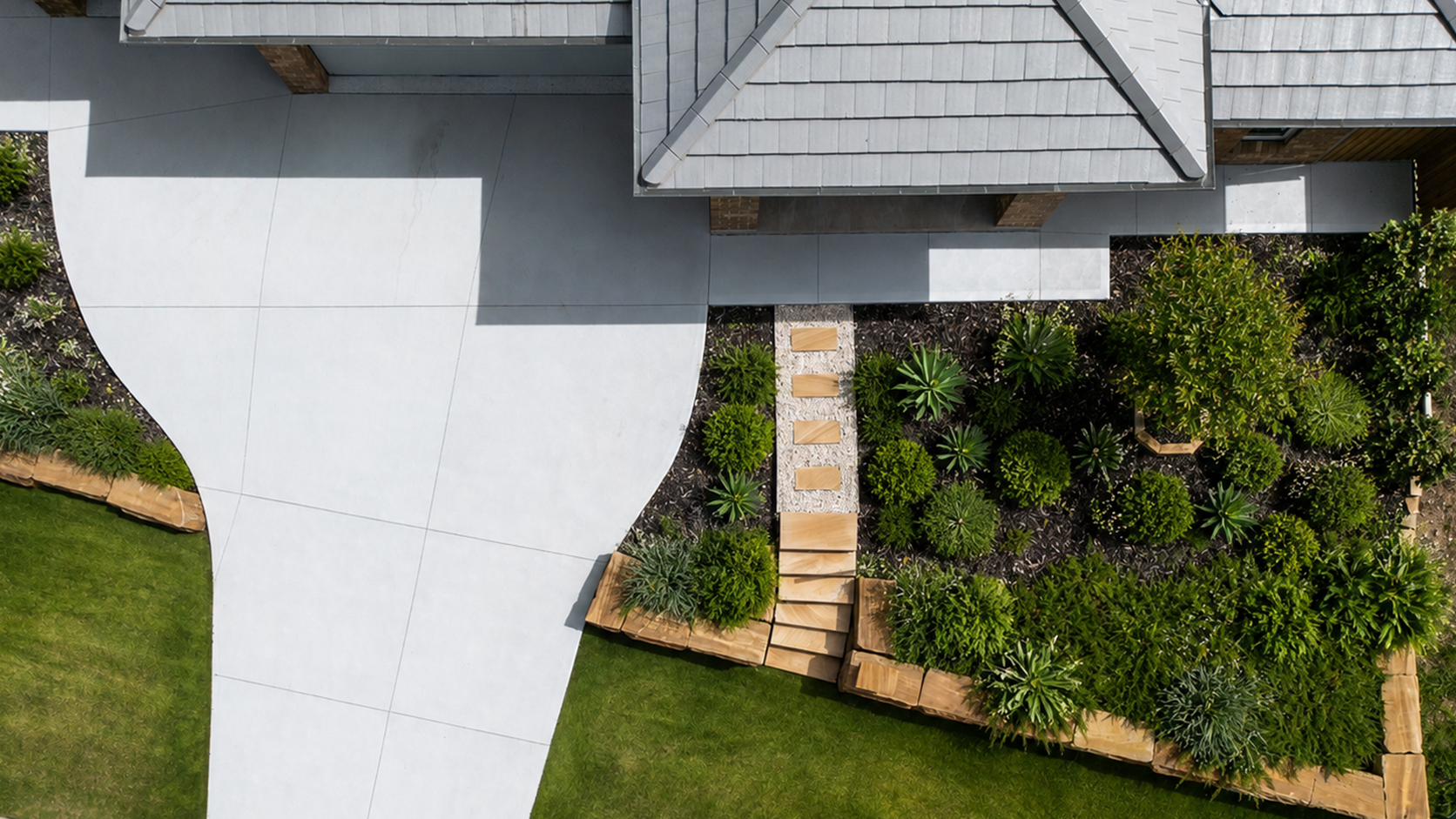
Installing new turf is one of the fastest ways to transform an outdoor space. A fresh lawn instantly improves the appearance of a property, but the first few weeks after installation are critical to its long-term success.
One of the most common questions we hear from homeowners is:
“How often should I water new turf?”
The answer depends on the weather, season and turf variety, but in most cases, newly laid turf requires consistent watering during the first few weeks while roots establish into the soil beneath.
This guide explains exactly how to water new turf on the Central Coast, including a simple week-by-week watering schedule to help your lawn establish successfully.
Why Watering New Turf Is So Important
When turf is harvested, its root system is cut away from the soil. Once installed, the turf must develop new roots and establish itself in the prepared ground beneath.
Until this occurs, the lawn relies entirely on the moisture available within the turf layer and the soil directly underneath.
The goal during establishment is to:
- Keep the turf consistently moist
- Prevent the roots from drying out
- Encourage strong root growth
- Reduce stress during hot weather
- Avoid waterlogging and fungal issues
The first two to four weeks after installation are the most important period in the life of a new lawn.
New Turf Watering Schedule
Week 1: Keep the Turf Constantly Moist
During the first week, newly laid turf should never be allowed to dry out.
Immediately after installation, water the lawn thoroughly until moisture penetrates through the turf and into the soil beneath.
Depending on conditions, most Central Coast lawns will require watering:
- Early morning
- Midday (during warm weather)
- Late afternoon
The objective is not to flood the lawn but to keep both the turf and underlying soil consistently moist.
During summer, hot winds and direct sun can dry new turf surprisingly quickly. Additional watering may be required on particularly warm days.
Week 2: Encourage Root Development
By the second week, roots should begin growing into the soil below.
Continue watering daily, but gradually reduce frequency while increasing the depth of watering.
A typical schedule may include:
- One deep watering early in the morning
- A second light watering later in the day if required
A simple way to check progress is to gently lift a corner of the turf. If it resists lifting, roots are beginning to establish.
Weeks 3–4: Transition to Deep Watering
As the lawn becomes established, it’s time to encourage deeper root growth.
This means watering less frequently but applying more water during each session.
At this stage:
- Water deeply every few days
- Reduce daily irrigation
- Monitor rainfall and weather conditions
- Allow the surface to partially dry between watering sessions
Deep watering encourages roots to grow further into the soil, producing a healthier and more drought-tolerant lawn.
How Long Should You Water New Turf?
There is no universal answer because sprinkler types, water pressure and soil conditions vary between properties.
Rather than focusing on time alone, aim to thoroughly soak both:
- The turf layer
- The soil beneath
After watering, check beneath the turf to ensure moisture has penetrated below the surface.
Light surface watering is generally less effective than deeper watering sessions.
Best Time to Water New Turf
The best time to water new turf is early in the morning.
Morning watering:
- Reduces evaporation losses
- Allows moisture to penetrate the soil
- Gives the lawn access to water during the hottest part of the day
- Reduces the likelihood of fungal disease
Late afternoon watering can also be effective if conditions are particularly hot.
Where possible, avoid watering during the middle of the day, when evaporation rates are highest.
Signs Your New Turf Needs More Water
Keep an eye out for:
- Dry or curling grass blades
- Blue-grey discolouration
- Turf lifting at the edges
- Footprints remaining visible after walking across the lawn
- Dry soil beneath the turf
These are common signs that additional watering is required.
Can You Overwater New Turf?
Yes.
While keeping turf moist is essential, excessive watering can create problems.
Signs of overwatering include:
- Constantly soggy soil
- Water pooling on the surface
- Soft or spongy areas
- Unpleasant odours
- Fungal growth or disease
The aim is consistently moist soil, not permanently saturated soil.
Central Coast Conditions and New Turf
The Central Coast’s climate is generally ideal for establishing new lawns. However, warm summer temperatures, drying coastal winds and extended periods without rain can place stress on newly laid turf.
Lawns in full sun will usually require more frequent watering than shaded areas.
At Backbone, we regularly install and maintain lawns throughout Terrigal, Wamberal, Erina, Avoca Beach, Bateau Bay, Gosford and surrounding Central Coast suburbs. One of the biggest factors influencing turf success is ensuring adequate watering during the first few weeks after installation.
Frequently Asked Questions
How often should I water new turf?
Most newly laid turf requires watering two to three times per day during the first week, depending on weather conditions.
How long does new turf take to establish?
Most lawns begin rooting within 10–14 days and are generally established within 4–6 weeks.
What is the best time to water new turf?
Early morning is typically the most effective time to water, helping reduce evaporation and maximise soil absorption.
Can new turf die from lack of water?
Yes. Newly laid turf has a limited root system and can dry out quickly, particularly during warm weather.
Should I water new turf if it rains?
Light rainfall may not provide sufficient moisture. Check beneath the turf to ensure the soil remains adequately moist before reducing irrigation.
Need Help With Your Lawn?
Whether you’re installing a new lawn, upgrading your outdoor space or looking for ongoing garden maintenance, Backbone provides professional landscaping and lawn care services across the Central Coast.
From turf installation and irrigation through to complete landscape construction and ongoing maintenance, we help homeowners create outdoor spaces that look great year-round.
Contact Backbone to discuss your landscaping project or ongoing lawn and garden maintenance needs.